

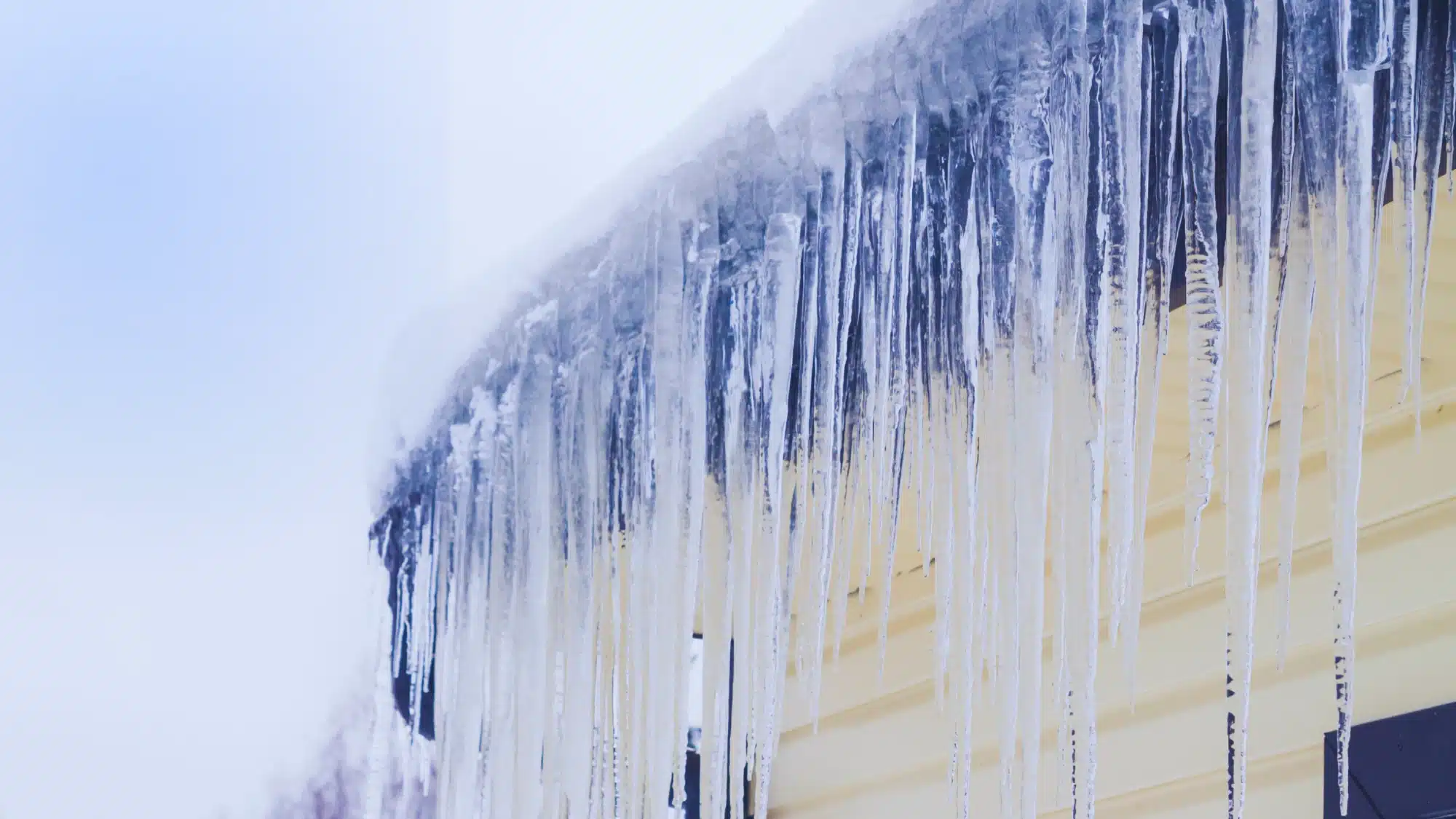
Understanding Ice Dam Damage in Connecticut
Ice dams are a common winter hazard in Connecticut, often leading to significant roof and water damage. As temperatures fluctuate in December, melting snow can refreeze at roof edges, causing water to back up under shingles and leak into your home. This can result in costly repairs and insurance claims, making proper documentation essential for a successful outcome.
What to Document for Your Ice Dam Insurance Claim
Thorough documentation is the foundation of any successful ice dam damage claim. Connecticut homeowners should follow these steps:
1. Photographic and Video Evidence
- Take clear photos and videos of all visible damage, including roof leaks, ceiling stains, wall water marks, and any affected personal property.
- Document both interior and exterior damage, focusing on areas where water intrusion is evident.
2. Detailed Written Records
- Keep a written log of when the damage occurred, weather conditions, and any steps taken to mitigate further harm (e.g., clearing gutters, removing snow).
- Note any preventative maintenance performed prior to the incident, as insurers often review your efforts to prevent ice dam formation.
3. Professional Assessments
- Obtain inspection reports from licensed contractors or roofing professionals. Their expert evaluation can help validate the extent and cause of the damage.
- Request moisture readings and integrity inspections if water damage is suspected in hidden areas.
4. Repair Estimates and Receipts
- Collect estimates for repairs and keep all receipts for emergency work done to prevent further damage. Do not make permanent repairs until your insurance company has inspected the property.
5. Insurance Policy Review
- Carefully review your Connecticut umbrella insurance policy to understand covered perils, exclusions, and claim procedures. Many policies cover interior water damage, but may exclude ice dam removal or damage due to lack of maintenance.
- Document all correspondence with your insurance provider, including emails, phone calls, and claim forms.
Commonly Covered and Excluded Damages
Covered by Most Policies:
- Interior water damage
- Roof leaks
- Mold (sometimes limited)
- Temporary relocation costs
Common Exclusions:
- Ice dam removal costs
- Damage due to neglect
- Damage to patios, pools, or fences
- Construction defects
Insurance companies may deny claims if they determine the damage resulted from long-term neglect or insufficient maintenance. Prompt action and thorough documentation are critical to counter such denials.
Tips for Connecticut Homeowners
- Act quickly: Ice dam damage worsens fast. Immediate documentation and mitigation can prevent further loss.
- Consult local experts: Connecticut-based public adjusters and restoration professionals are familiar with regional weather patterns and insurance practices.
- Leverage umbrella coverage: If you have a Connecticut umbrella insurance policy, review its terms for additional protection against large or complex claims.
Final Thoughts
December brings heightened risk for ice dam damage in Connecticut. By documenting thoroughly and understanding your insurance coverage, you can maximize your claim and minimize out-of-pocket expenses. For expert guidance, contact Insurance Near Me CT to review your Connecticut umbrella insurance options and ensure you’re prepared for winter’s worst.
Insurance Near Me CT
Your trusted partner for Connecticut umbrella insurance and winter damage claims.